Optimising a Perfusion Bioreactor

BEng Dissertation Group Project


Project Overview

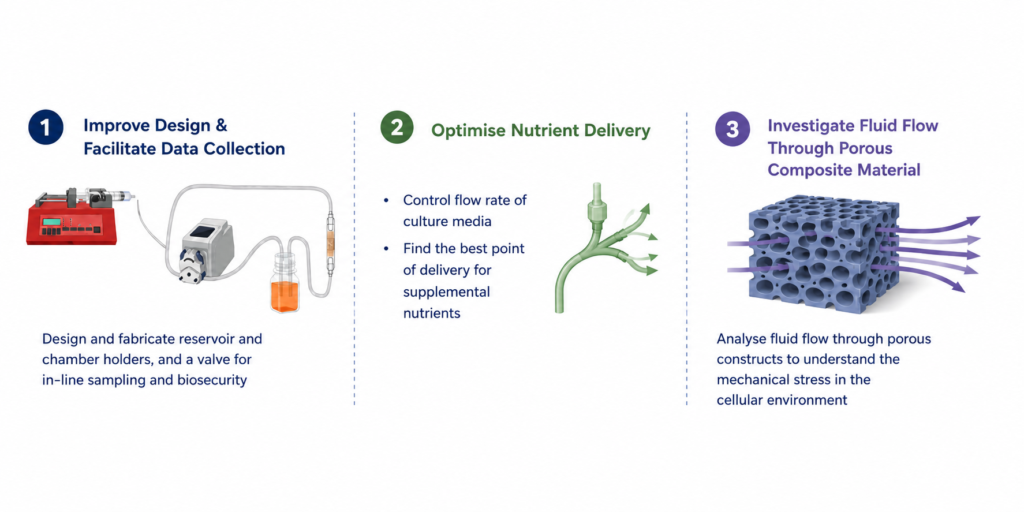
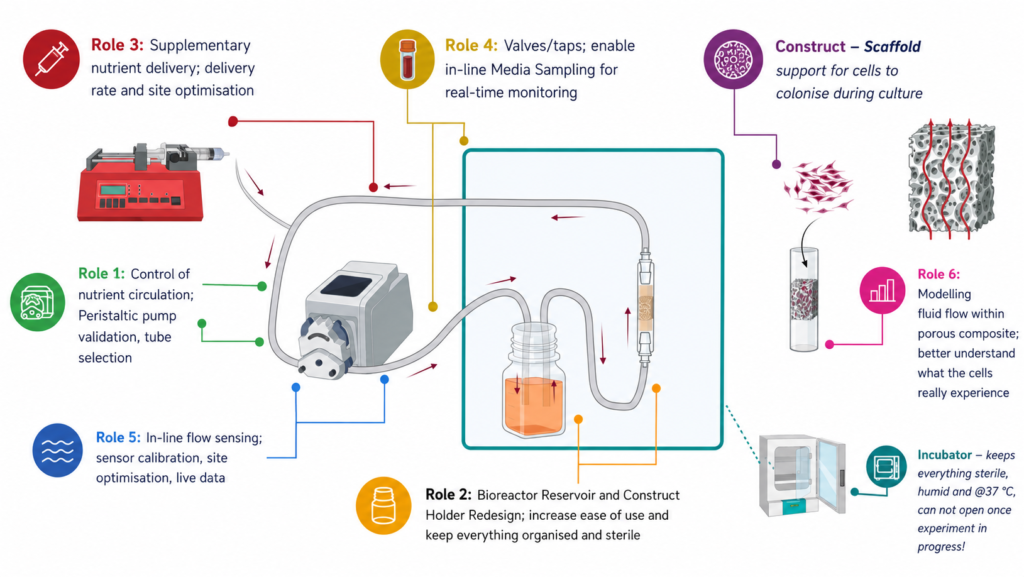
This project aimed to optimise the precision of nutrient delivery to hematopoietic stem cells (HSCs) in a perfusion bioreactor. To achieve this, the first role involved designing holders for the reservoirs and porous chambers of the bioreactor, improving the ease of data collection and maintaining a consistent media flow rate. Next, evaluation of a peristaltic pump and delivery tube diameter was needed to directly control the release of culture media. A syringe pump was implemented for supplemental nutrient delivery, and the best point of introduction in the system was determined. A valve was designed to allow in-line sampling and biosecurity for HSCs. Finally, the fluid-flow behaviour in the porous constructs was simulated using a 3D computational model.

bioreactor explained


The Challenge

Perfusion bioreactors present a promising tissue engineering strategy to synthesise functional tissues in vitro by closely simulating physiological conditions such as nutrient supply, temperature, pH, and oxygen levels, allowing cells to survive and proliferate outside of their natural environment. However, due to the dynamic nature of our bodies, these factors can be difficult to control. Additionally, many existing perfusion bioreactors are disorganised, increasing the difficulty of collecting samples and analysing the effectiveness of these systems.

Therefore, this project aims to optimise the nutrient delivery in a perfusion bioreactor by firstly improving the design and facilitating ease of data collection, controlling the flow rate of culture media and finding the best point of delivery for supplemental nutrients, and finally investigating the fluid flow through the porous composite material in the chambers.

1000043040


My Contribution

Literature Review

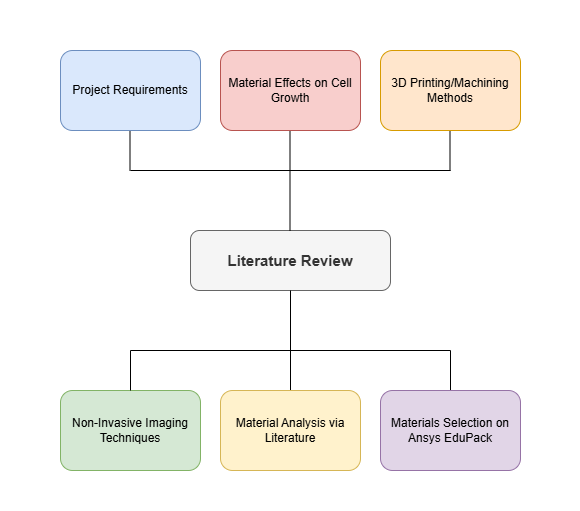
  • Reviewed the prerequisites of the project, specifically fabrication, sterilisation, and material selection methods.
  • Researched the use of multiple materials in bioreactor design, and the effects on cell growth.
  • Evaluated the feasibility of 3D printing in bioreactor development, highlighting advantages and limitations.
  • Discussed non-invasive imaging methods which could be incorporated to eliminate sampling and cell removal.
  • Performed a material analysis based on literature and used Ansys EduPack to determine the best material for this application.
literature review.drawio (1)

Computer-Aided Design (CAD)

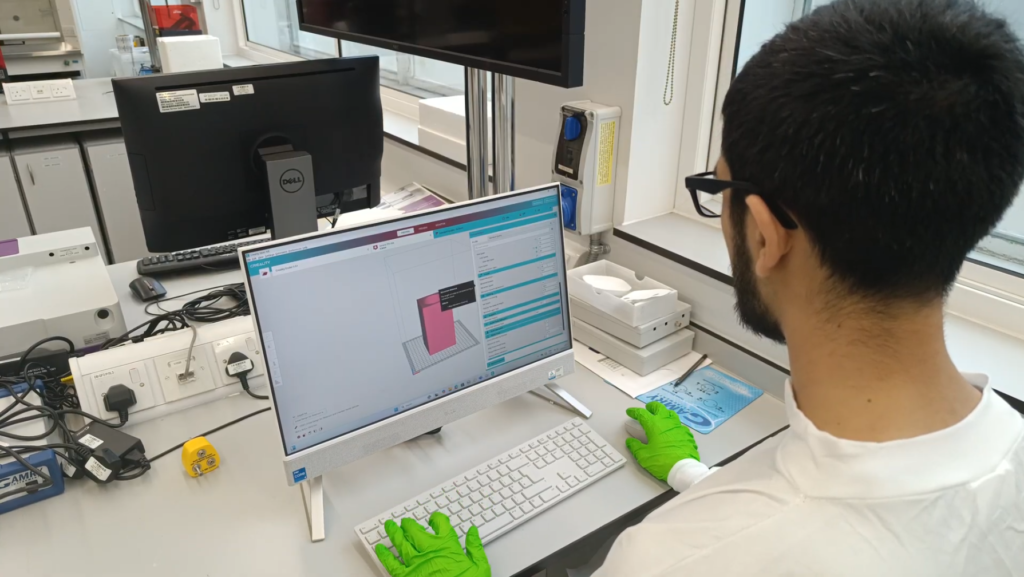
  • Used SOLIDWORKS to design a 3D CAD model of the reservoir holders and chambers.
  • Designed a precise dovetail arrangement to allow reservoir holders to interlock, improving organisation.
  • Created a snap-box mechanism for the chamber holders, allowing secure fitting and simple detachment.
  • Adjusted scaling, dimensions and supports on Creality and Prusa Slicer prior to 3D printing.
  • Optimised design through many iterations to minimise material waste and improve concepts.
1000042957

3D Printing & Fabrication

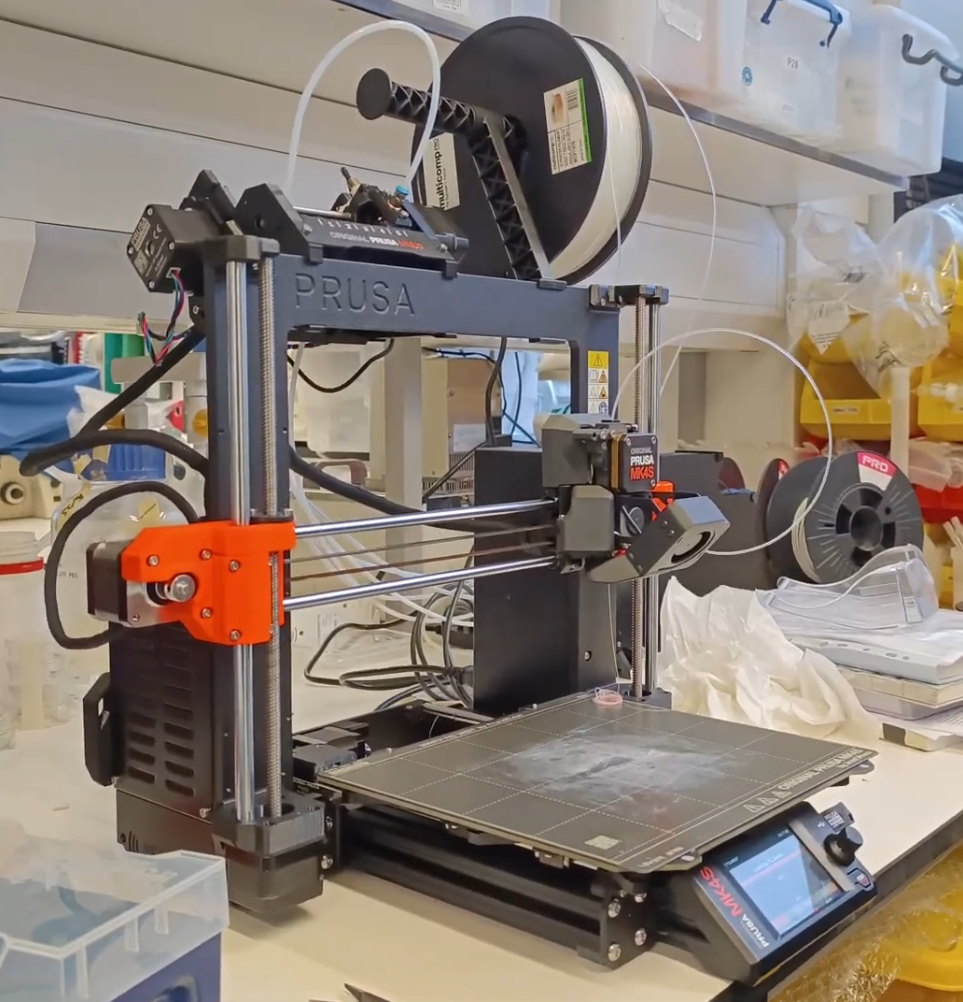
  • Used Fused Deposition Modelling (FDM) to 3D print reservoir and chamber holders.
  • Learned how to operate the Creality Ender and Prusa i3 MK3 printers, ensuring health and safety. 
  • Selected materials which were suitable for each printer, in terms of filament diameter and melting temperature.
  • Understood the errors which occurred during printing, including warping, burning, and sticking, and mitigated these in future prints.
  • Successfully printed functional and efficient holders for the bioreactor reservoirs and chambers.
1000043041


Results

Reservoir Holder

screenshot 2026 07 14 183353
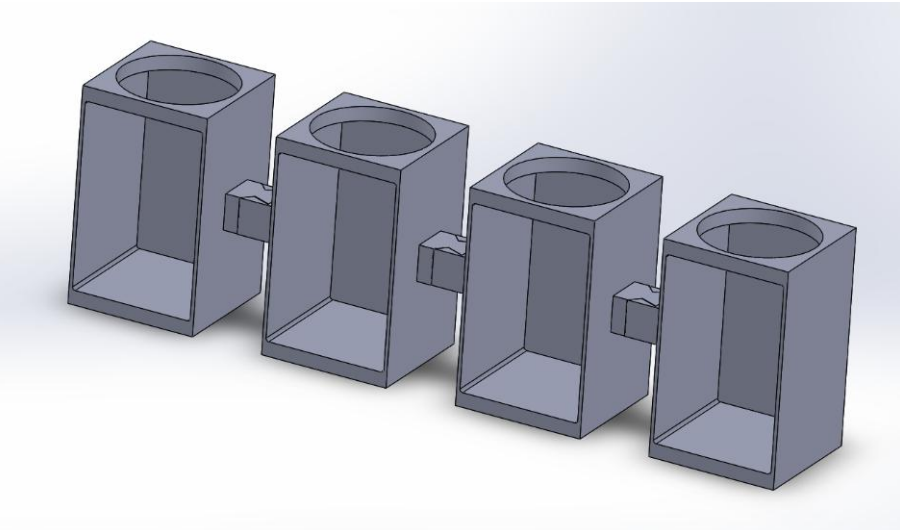
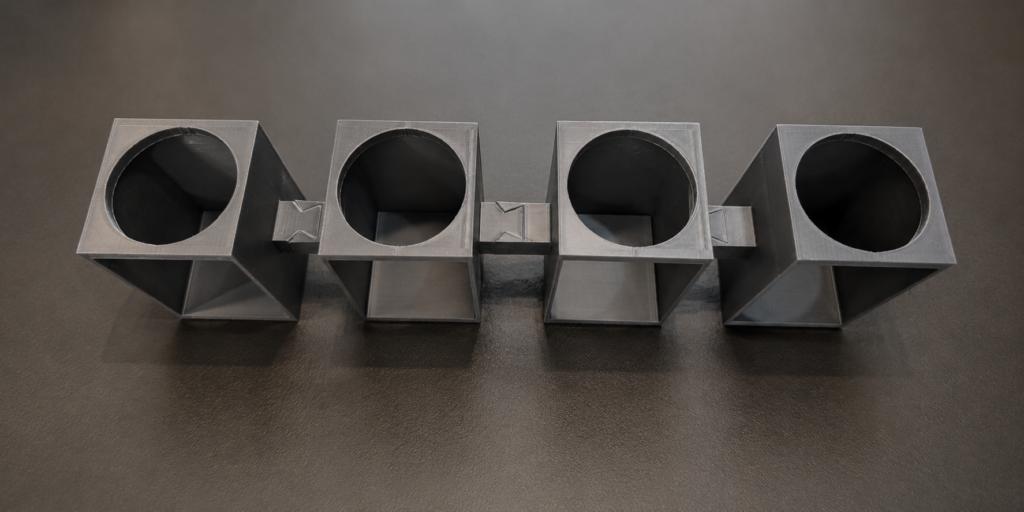
  • Created three types of parts for the reservoir holder – left-end piece, right-end piece, and middle pieces.
  •  Designed a cavity in one wall of each holder to allow media to be observed and sampled.
  • Printed prototypes of holders using PLA due to ease of 3D printing and design assessment.

Chamber Holder

screenshot 2026 07 15 180935
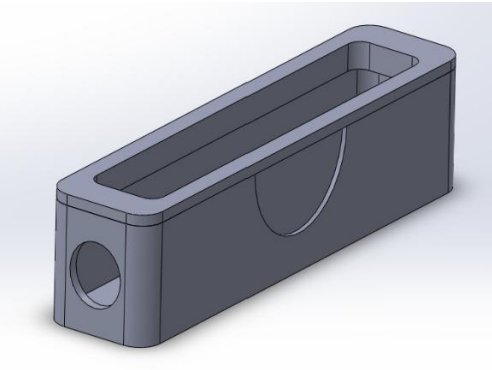
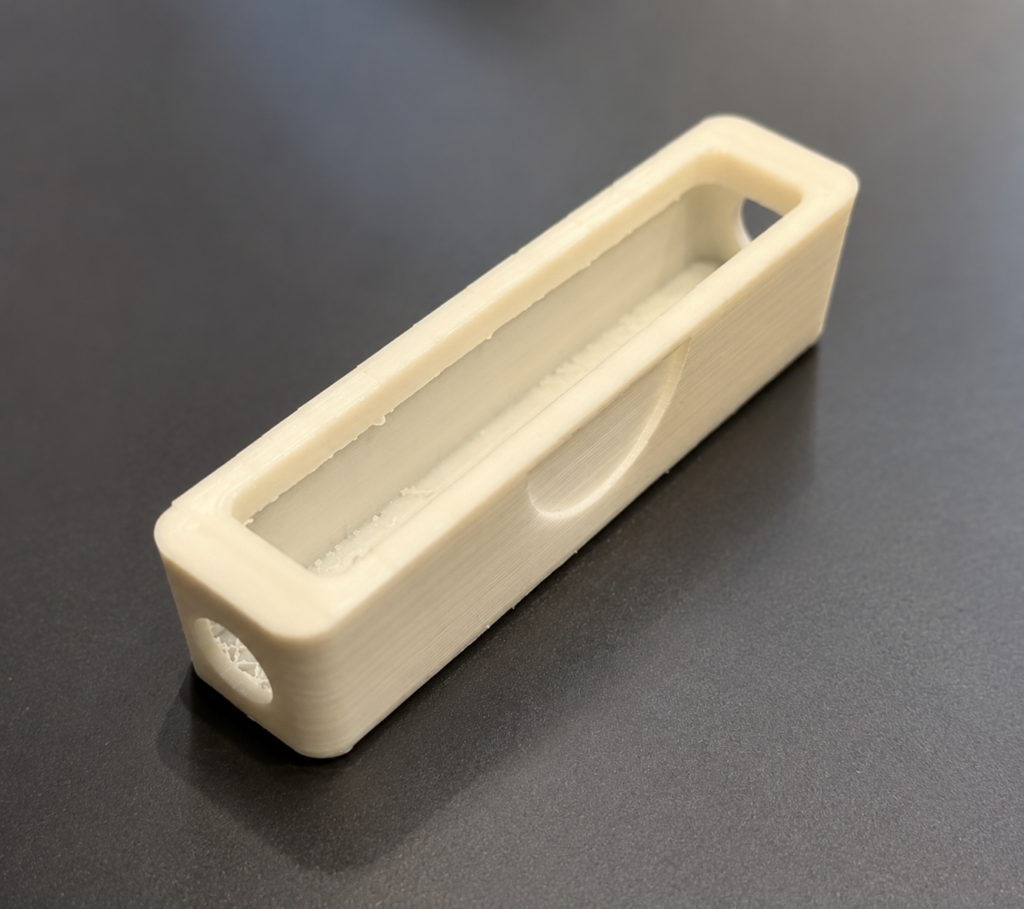
  • Designed the chamber holder with a lid that snaps shut to secure the chamber inside the box.
  • Circular cavities on either side of the box allow for tubing to connect to the chamber.
  • Thumb groove on the side of the box allows easy opening and closing of the lid.

Printed Products

1000043062
1000043053


Technical Skills

Software

CAD

SOLIDWORKS

Creality

Prusa Slicer

Ansys EduPack

Fabrication

3D Printing

Prototype Development

Additive Manufacturing

Tolerance & Fit

Iterative Design

Materials

Material Selection

Biocompatibility

Autoclaving

Cost Analysis

Project Development

Engineering Reports

Viva Presentation

Communication

Feasibility Assessments


Key Takeaways

  • Gained a deep understanding of engineering design and the advantages of additive manufacturing methods.
  • Utilised CAD software effectively and successfully developed two prototypes to implement into bioreactor systems.
  • Considered the impact of materials on cell viability and selected suitable materials for testing and final development.
  •  Worked around a budget for the project, encouraging efficiency in saving material, building a simplistic design, and minimising supports.
  •  Critically evaluated the outcomes of the project and presented my work to examiners while justifying my decisions throughout the project.


Further Reading

If you would like to read more about this project, please click below to download the full dissertation for a more detailed explanation of the design process, results, and evaluation.