Additional Projects

Individual Research and Reports


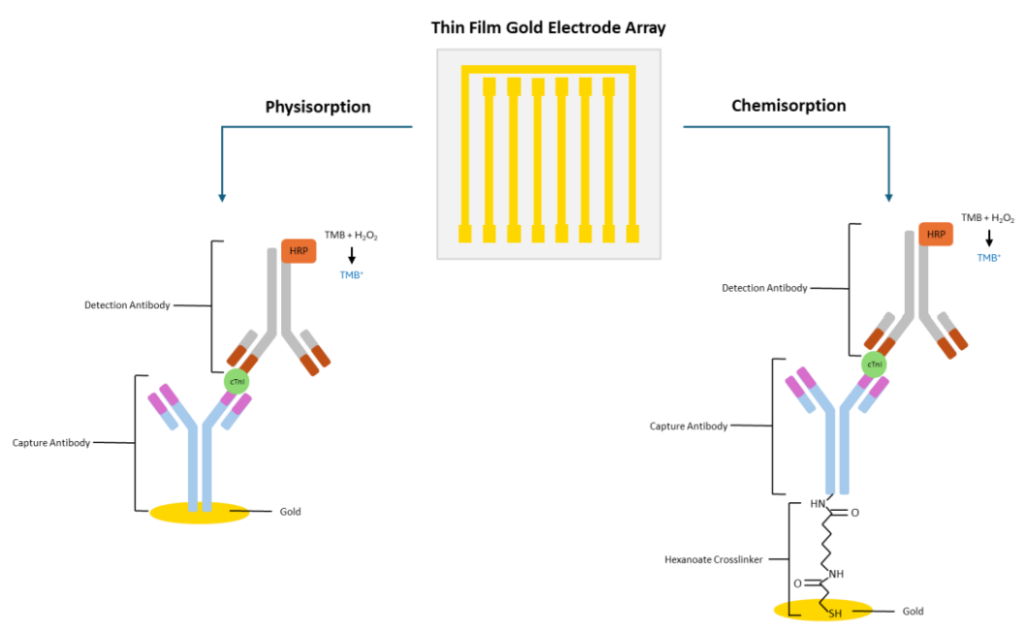
Clinical Biosensors Review
screenshot 2026 07 16 113148

Objectives:

  • Research the clinical relevance of cardiac troponin.
  • Study two sensor technologies which can detect troponin.
  • Evaluate which sensor technology is the most effective.

Key Findings:

  • Cardiac troponin could be used as a measure to diagnose acute myocardial infarction (AMI).
  • Both amperometric and impedimetric sensors exhibit excellent performance, with outstanding limit of detection (LOD).
  • Point-of-care (POC) testing is associated with increased accuracy and sensitivity of biosensors.

Technical Skills Developed:

  • Research – Clinical Analysis, Literature Review, Scientific Writing
  • Engineering – Schematic Drawings, Design Evaluation


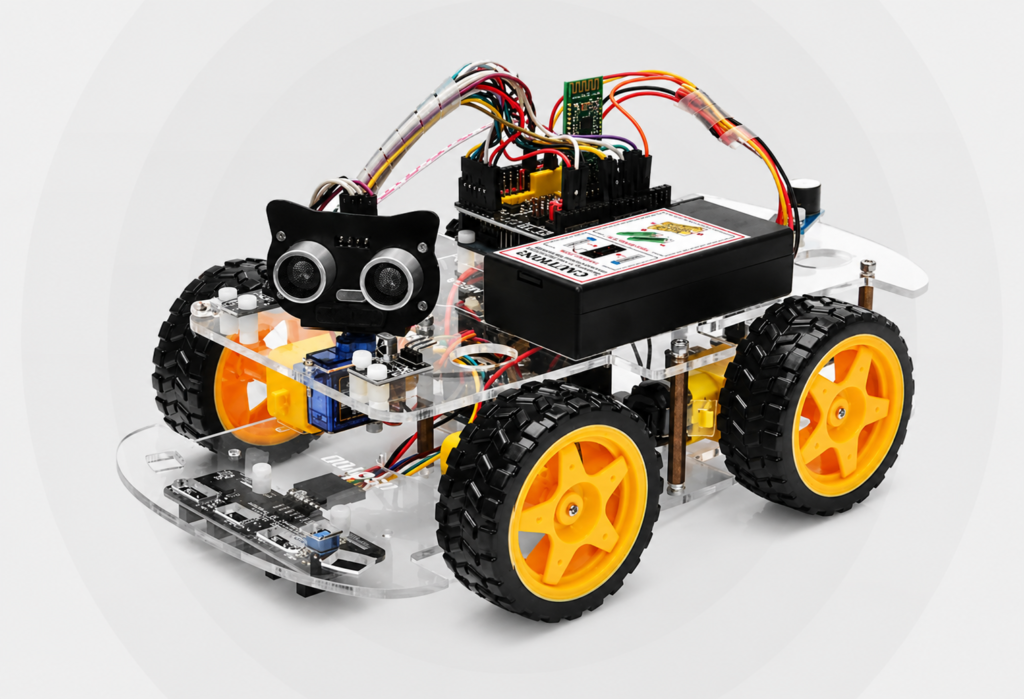
Arduino-Based Robotic Vehicle

1000043133

Objectives:

  • Assemble the OSOYOO Robot Car using hardware components.
  • Use Arduino to program line following, obstacle avoidance, distance sensing, and wall following.
  • Test robot car on a course involving all four programming functions.

Key Findings:

  • The robotic vehicle successfully carried out the four intended functions individually, but not altogether.
  • Line following was reliable but limited by sharp turns (beyond 90 degrees).
  • Approaches such as global path planning and memory-based navigation could improve performance.

Technical Skills Developed:

  • Programming – Arduino, Automation, Threshold-Based Control
  • Engineering – Hardware Assembly, Critical Analysis, Systems Integration


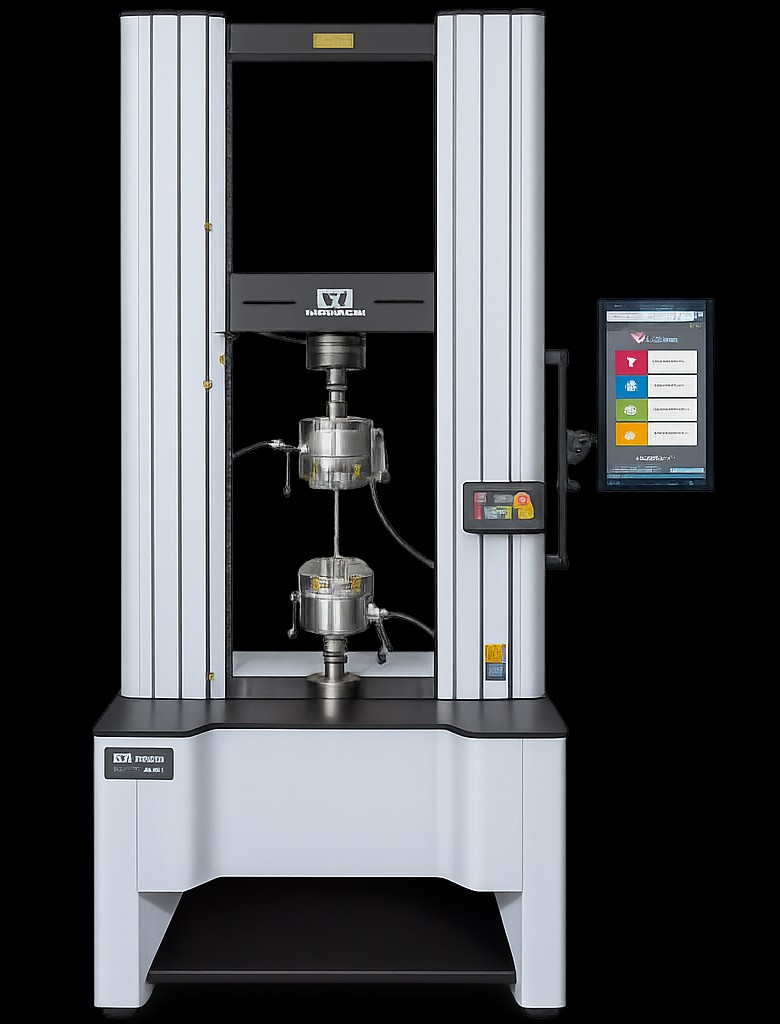
Mechanical Testing of Tendons

1000042784

Objectives:

  • Investigate the effect of storing rat tail tendons in PBS solution on viscoelastic properties.
  • Perform stress relaxation and stretch-to-failure tests on fresh-frozen tendons, and PBS-incubated tendons.
  • Compare and discuss results of both groups, linking back to literature.

Key Findings:

  • As expected, PBS-incubated tendons relaxed quicker due to reduced stiffness.
  • Fresh-frozen tendons exhibited higher strength and toughness.
  • PBS-incubated tendons were expected to show more ductile behaviour, but failed at a lower strain than fresh-frozen tendons.

Technical Skills Developed:

  • Research – Hypothesis Testing, Literature Review, Experimental Analysis
  • Lab Techniques – Sample Preparation, Biomechanical Testing, Incubation Techniques


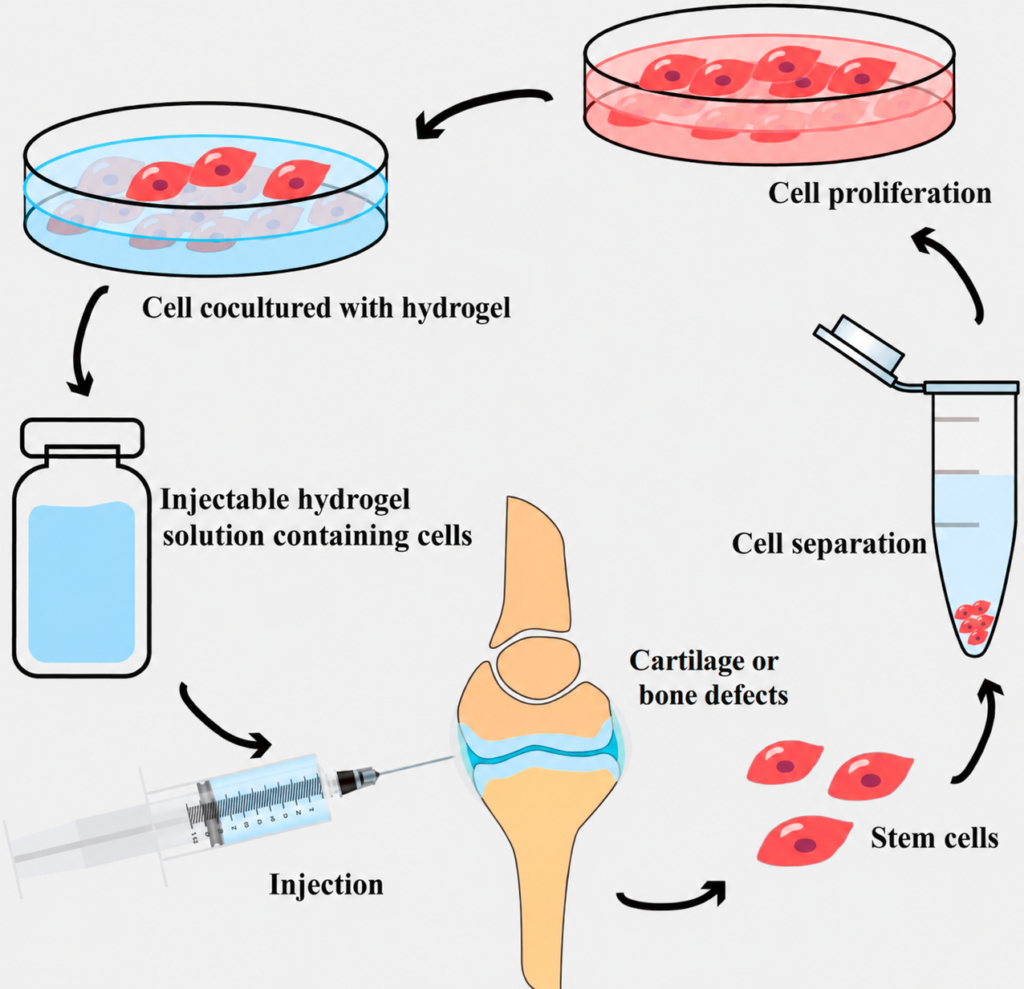
Culturing GAGs in Agarose

Objectives:

  • Mechanically test 4% and 6% agarose constructs via compression to compare differences in stress and strain.
  • Measure the concentration of glycosaminoglycans (GAGs) cultured in agarose at zero and 7 days.
  • Determine the effect of agarose concentration on GAG proliferation.

Key Findings:

  • 6% agarose was stronger and stiffer than 4% agarose due to denser gel structure.
  • Both constructs had the highest concentration of GAGs at zero days.
  • 4% agarose may allow more uptake of GAGs due to better nutrient diffusion, and 6% agarose provides more mechanical support.

Technical Skills Developed:

  • Research – Data Analysis, Tissue Engineering, Mechanical Testing
  • Lab Techniques – Sample Preparation, Spectrophotometry, Cell Culturing
1000043222
M. Liu et al, Bone Research, 5:17014 (2017).


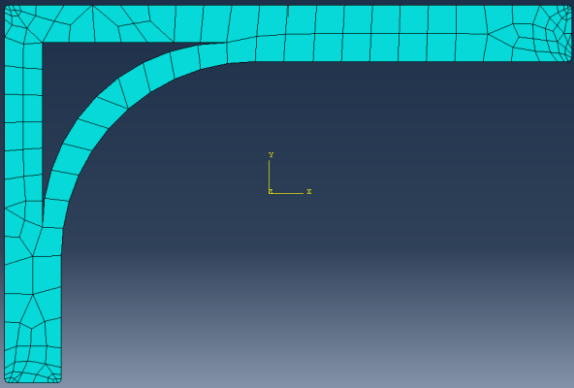
Finite Element Analysis of Bracket

Objectives:

  • Design a shelf bracket on Abaqus CAE to perform Finite Element Analysis (FEA) on, and apply loads and boundary conditions.
  • Mesh the structure using triangular and quadrilateral mesh types, and adjust the number of elements formed.
  • Obtain results for stress and displacement convergence for both mesh types and compare.

Key Findings:

  • A quadrilateral linear mesh type provided the most accurate simulation.
  • As global seed size decreased and mesh was refined, accuracy increased.
  • Quadrilateral mesh types converged at much lower elements than triangular meshes.

Technical Skills Developed:

  • Software – CAD, Abaqus CAE, FEA
  • Engineering – Force Simulations, Engineering Design, Graph Analysis.
screenshot 2026 07 16 144718