
Jatinder Dhaliwal
Biomedical Engineering | Medical Data Analysis | Design and Development
About Me
I am a MEng Biomedical Engineering graduate from Queen Mary University of London, with experience in data analysis, cell biology, engineering design and software development. Working across many disciplines such as biology, engineering, and computation has taught me how to approach new scientific problems at different angles.
My main interests span neurobiology, healthcare innovation, and medical design. I am particularly interested in opportunities that combine data analysis, biological research, and developing new technologies to improve medical outcomes.
Featured Projects
AI-Based Skin Cancer Classification
September 2025 – June 2026
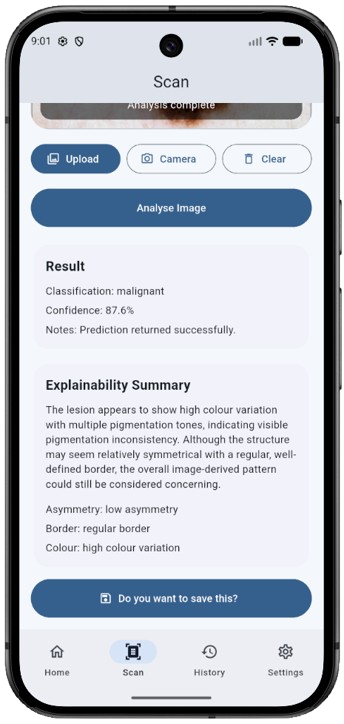
During my MEng dissertation, our team developed a mobile application to facilitate general practitioners (GPs) in detecting and classifying skin cancer, with the aim of improving NHS triaging by reducing unnecessary referrals. My contribution involved training a convolutional neural network (CNN), on a high-quality, curated image dataset, to correctly identify benign and malignant skin lesions. A common issue surrounding current machine learning models is the bias towards lighter skin tones due to uneven distribution in training data, so this was taken into account while collecting images from dermatology sources.
Optimising a Perfusion Bioreactor
September 2024 – June 2025
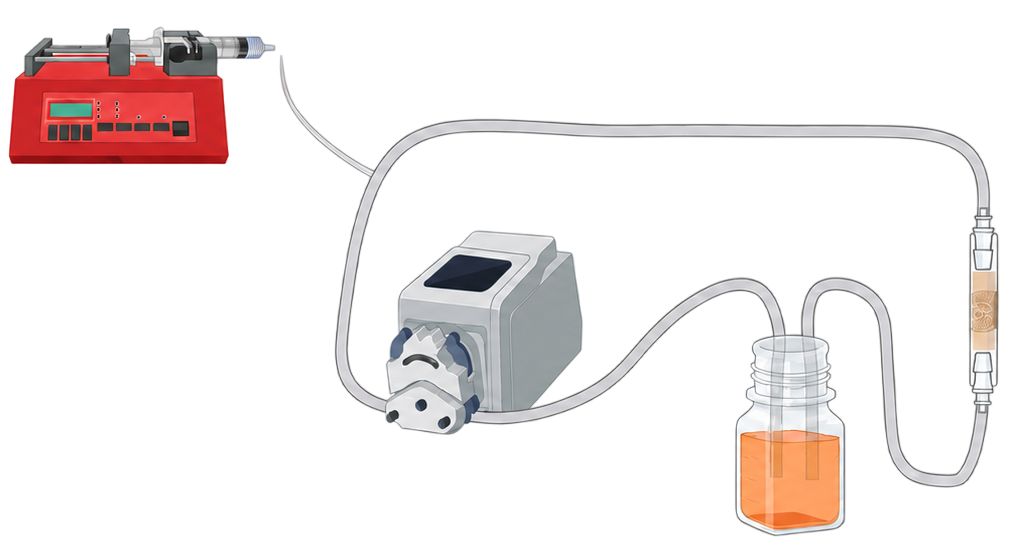
For my BEng project, I worked with a group of Biomedical Engineers to optimise a bioreactor, housing hematopoietic stem cells (HSCs). My role in this project was to design and 3D print biocompatible holders for the bioreactor reservoirs and porous constructs, to facilitate easy data collection from regular measurements. As cells are extremely sensitive to their environment, I had to consider the impact of my design on the system, keeping factors such as media flow rate, temperature and dynamic conditions, relatively constant, to maximise cell proliferation and streamline nutrient delivery.
Clinical Biosensors Review
October 2025 – December 2025
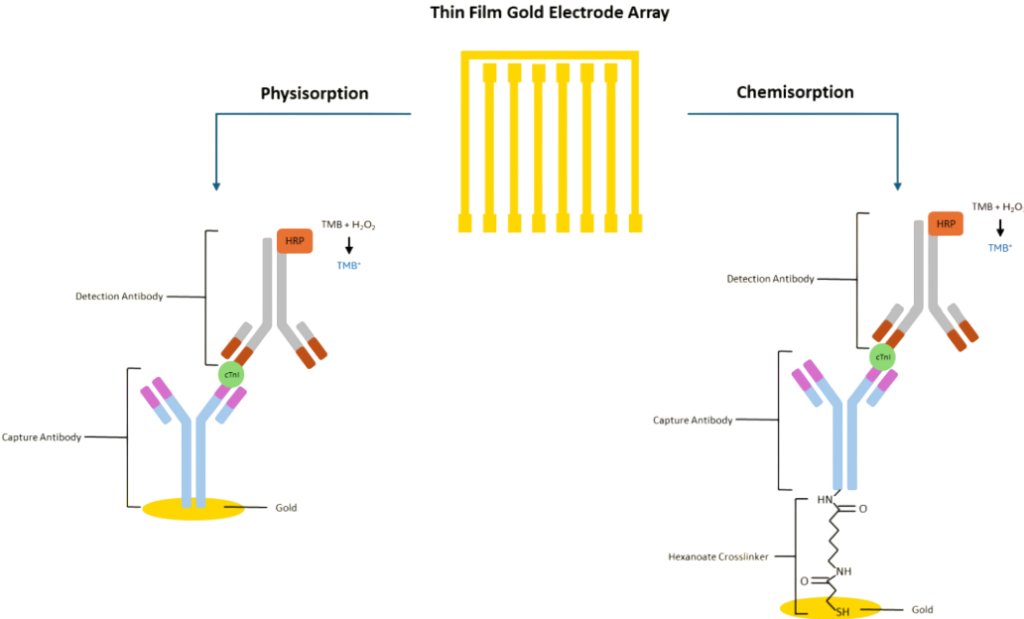
Cardiac troponin concentration can be a useful measure for diagnosing acute myocardial infarction (AMI). In this clinical review, I investigated two sensor technologies – amperometric and impedimetric sensors – to determine the best type to detect cardiac troponin at low levels. I considered factors such as limit of detection (LOD), which is the lowest level of troponin that the sensor can detect, and point-of-care (POC) testing, which improves efficiency and ease of use for clinicians. Additionally, I adapted schematics found in the literature for both types of sensors, which improved my understanding of how the sensor technologies work. Overall, this was a key project that improved my research skills and report writing significantly.
Key Skills
- Cell Biology Techniques
- Human Physiology and Pathology
- Microscopy
- Scientific Literature Review
- Medical Imaging
Biology
Engineering
- Systems Engineering
- Numerical Methods
- Medical Device Development
- Prototyping and Fabrication
- Biomaterial Testing
Data Analysis
- Programming (Python, MATLAB)
- Deep Learning Algorithm Training
- Medical Image Analysis
- Application Design and Development
- Artificial Intelligence
Interested in working together?
I am always open to discussions about potential opportunities in biomedical engineering, research, or healthcare. Feel free to reach out if you would like to discuss a project, collaboration, or opportunity.